Starting Your First Project With Us? Get 50% Off Now.

Construction Planning and Scheduling Services That Keep Deadlines Real

A finish date only means something if the logic behind it holds up. In the AGC and NCCER 2026 Workforce Survey, just 26% of construction firms reported no significant project delays, leaving nearly three in four dealing with schedule slippage. Our planners and schedulers build logic-driven CPM schedules in Primavera P6 and Microsoft Project, update them with real progress, and show you the critical path before a delay turns into a dispute.

Build My Schedule
Construction Planning and Scheduling

The Hidden Price of a Schedule Nobody Trusts

Fix My Timeline

Every Late Week Costs Twice

A missed milestone extends general conditions, equipment rentals, and supervision, and it can trigger liquidated damages or delayed revenue for the owner. A credible schedule exposes these risks early enough to act on them. Planning ahead is far cheaper than paying for lost time.

Procurement Now Sets the Pace

Switchgear, generators, curtain wall, and rooftop equipment can take months to arrive. Schedules that ignore submittal and fabrication durations look fine on paper and fail in the field. Linking procurement to installation activities shows exactly which orders cannot wait.

Owners and Lenders Read the Critical Path

Public agencies, lenders, and sophisticated owners increasingly review schedule logic, float, and updates closely. A well-built schedule speeds approvals and payment, while a weak one invites rejection and delay. When you need full oversight beyond scheduling, our construction project management services take the wider view. 

Planning and Scheduling Work We Deliver

Baseline CPM Schedule Development

We create detailed baseline schedules with activity logic, durations, constraints, and milestones drawn from the contract documents and your team’s means and methods. Procurement, permitting, and inspections are built in from the start. Your project begins with a plan everyone can measure against.

Monthly Updates and Schedule Narratives

Actual start and finish dates, remaining durations, and logic changes are recorded each period. Every update comes with a written narrative explaining critical path shifts and variances. Owners and project teams always know where the job stands.

Short Interval Look Ahead Schedules

Three week and six week look aheads translate the master schedule into daily field priorities. Superintendents and foremen get a clear plan for the coming weeks. Coordination between trades improves because everyone sees the same near term goals.

Resource Loaded Scheduling

Crew sizes, labor hours, and equipment are assigned to activities to reveal peaks and shortages. Leveling options are tested before conflicts reach the site. Contractors plan staffing realistically instead of hoping crews appear when needed.

Cost Loaded Schedules

Activities are tied to the schedule of values so earned value and progress billing follow actual work. Many public and private owners require this format for payment. Cash flow forecasts become clearer for both contractors and owners.

Phasing and Sequencing Plans

Renovations in occupied hospitals, schools, and offices need careful phasing around operations. We plan work zones, shutdowns, and move sequences so occupants stay safe and productive. Complex projects move forward without disrupting the people inside.

Pull Planning and Last Planner Support

We facilitate collaborative pull planning sessions where trades commit to handoffs working backward from milestones. Commitments are tracked and percent plan complete is measured. Teams using Lean methods get structured, reliable planning support.

Recovery and Acceleration Schedules

When a project falls behind, we analyze the critical path and test options such as resequencing, added shifts, or overlapping work. Each scenario shows cost and time impacts. Teams choose the recovery path with the best chance of success.

Time Impact Analysis for Change Events

Changes, owner delays, and unforeseen conditions are inserted into the schedule as fragnets to measure their effect on completion. Results are documented in a clear report. Time extension requests and responses rest on facts.

Schedule Quality Review

Existing schedules are tested against recognized checks, including the DCMA 14 Point Assessment, for missing logic, excessive constraints, and unrealistic durations. Findings come with practical fixes. Owners and contractors gain confidence in schedules before relying on them.

Specification Compliant Schedules for Public Owners

Federal, state, and municipal contracts often specify activity limits, coding, update formats, and software. We build schedules that follow USACE, DOT, and agency requirements from the first submission. Approvals come faster with fewer rejections.

Preconstruction Master Schedules

Before design is complete, we develop master schedules covering design, permitting, procurement, and construction milestones. Developers use them to test feasibility and align financing. Early planning sets realistic expectations from day one.

Scheduling Platforms in Daily Use

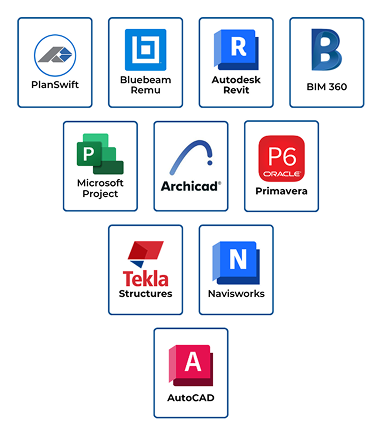
  • Oracle Primavera P6
  • Oracle Primavera Cloud
  • Microsoft Project
  • Asta Powerproject
  • Deltek Acumen Fuse
  • SmartPM
  • Touchplan
  • Bentley Synchro 4D
  • Procore
  • Microsoft Excel
Software tools

Project Types That Live and Die by the Calendar

Some projects can absorb a late week. Others lose revenue, funding, or an entire season. These are the sectors where disciplined scheduling matters most.

Highway and Transportation Projects

Highway and Transportation Projects

DOT contracts require detailed, specification compliant schedules with traffic phasing. We prepare submissions that meet agency standards.
Multifamily Developments

Multifamily Developments

Lease up timing affects financing and returns. Our schedules track building by building progress toward occupancy.
Retail and Hospitality Openings

Retail and Hospitality Openings

Grand openings and brand deadlines leave no room for slippage. We schedule fit out, furnishing, and inspections to meet opening dates.

Schedulers on Call for These Teams

Not every company needs a full time scheduler, but every project needs a reliable schedule. We fill that role for clients across the industry.

General Contractors

GCs rely on us for baselines, monthly updates, and contract compliant submissions without hiring in house schedulers.

Subcontractors

Trade contractors use our schedules to plan crews and document impacts from other trades and changes.

Owners and Developers

Owners use our master schedules and independent reviews to monitor progress and protect investments.

Construction Managers

CM firms bring us in to support multiple projects with consistent scheduling standards.

Public Agencies

Government owners rely on our reviews to evaluate contractor schedules and time extension requests.

How a Schedule Takes Shape With Us

Good schedules come from conversations with the people building the job. Here is how we turn your contract and plans into a working schedule.

  1. Gather Contract Documents and Milestones

    Share drawings, specifications, contract milestones, procurement information, and any owner scheduling requirements.

  2. Interview the Field Team

    We meet with project managers and superintendents to confirm sequences, crew plans, and constraints.

  3. Build, Review, and Refine

    We develop the schedule, review logic and durations with your team, and adjust until it reflects reality.

  4. Issue the Baseline and Keep It Current

    You receive the approved baseline, followed by regular updates, narratives, and analysis throughout construction.

See the Quality Behind Every Estimate

Browse real samples of our takeoffs, cost estimates, and drafting work to see the level of detail you can expect on your own project.

What Our Clients Say

We were six weeks behind on a medical office building with tenant move-ins already booked. BlueTech’s recovery schedule identified overlapping work we had missed. We finished within days of the original date.

Stephen Larry

An owner delay claim depended on proving how changes affected our critical path. BlueTech’s time impact analysis was clear and well documented. We reached a fair settlement without litigation.

Benjamin Scott

Answers About Construction Scheduling

Baseline development is usually priced as a fixed fee based on project size and complexity. Monthly updates are typically billed as a recurring fee. You receive a clear proposal before work begins.

How To Start With BlueTech Estimating

Your Project